
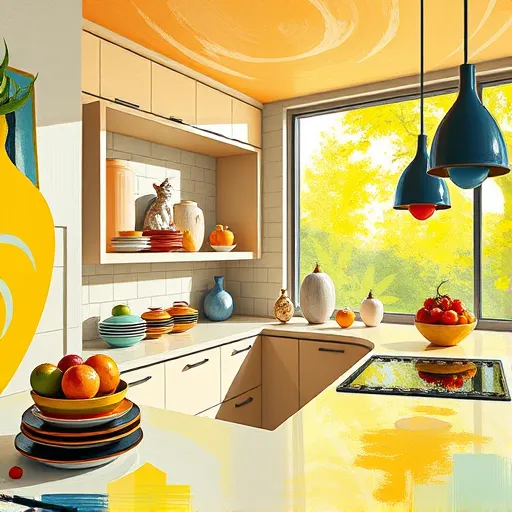
How to Design a Kitchen with a Built-In Hutch | Essential Tips
What Are the Key Benefits of Designing a Kitchen with a Built-In Hutch?
Designing a kitchen with a built-in hutch offers a sophisticated solution that combines enhanced storage and timeless style. A built-in hutch serves as both a functional cabinet space and an elegant display area, allowing homeowners to store everyday kitchen essentials while showcasing fine china, glassware, or decorative pieces.
Unlike freestanding furniture, a built-in hutch integrates seamlessly with cabinetry and architectural elements, creating a cohesive and tailored look. This built-in aspect optimizes space by utilizing wall areas that might otherwise be underused or cluttered. Moreover, the customization options available for built-in hutches enable you to harmonize materials, finishes, and hardware with the rest of the kitchen. This results in a balanced design that elevates the entire cooking and dining environment.
Functional benefits extend beyond aesthetics. A thoughtfully designed built-in hutch increases storage capacity without expanding the kitchen’s footprint, a crucial feature for kitchens where space is limited. It provides easy access to items, facilitating efficient meal preparation and cleanup.
How Do I Plan the Layout When Designing a Kitchen with a Built-In Hutch?
Effective layout planning is fundamental when considering how to design a kitchen with a built in hutch to maintain both elegance and functionality. The location of the hutch should enhance workflow and accessibility while integrating seamlessly with the kitchen's key zones: cooking, cleaning, and storage.
- Consider adjacency: Place the hutch near dining or food prep areas for convenient access to dishes and utensils.
- Balance traffic flow: Avoid obstructing walkways or key appliance access points to prevent congestion.
- Utilize vertical space: Maximize height by incorporating upper cabinets or open shelving within the hutch design for display or storage.
- Incorporate lighting: Built-in hutches benefit immensely from under-cabinet or interior lighting to spotlight displayed items and improve visibility.
Often, integrating the built-in hutch alongside custom kitchen cabinets ensures a unified and functional space. Custom cabinetry allows precise adjustments to dimension and style, crafting a hutch that fits perfectly within the kitchen layout while matching your design preferences.
What Storage Solutions Should I Include in a Built-In Hutch?
Optimal storage is paramount when exploring how to design a kitchen with a built in hutch. Incorporating a variety of storage options can accommodate different kitchen essentials and decorative items effectively:
- Closed cabinets: Use these to conceal bulky or unsightly items such as small appliances, cookware, or pantry goods.
- Open shelving: Perfect for displaying attractive glassware, plates, or cookbooks, enhancing the room's aesthetic.
- Glass-front cabinets: Combine visual interest with protection from dust while keeping prized collections visible.
- Drawers and pull-out trays: Facilitate easy access to utensils, linens, or serving ware, maximizing convenience.
- Adjustable shelving: Allows customization of shelf height to accommodate items of varying sizes.
Integrating high-quality cabinet hardware such as soft-close hinges and ergonomic handles significantly improves usability and prolongs the lifespan of the built-in hutch.
How Can I Choose Materials and Finishes to Complement a Built-In Hutch?
Selecting the right materials and finishes is essential to achieving elegance and durability in your kitchen with a built-in hutch. Consider materials that align with the overall kitchen aesthetic while providing resilience to daily wear and tear:
- Wood types: Solid hardwoods such as maple, oak, or cherry offer a classic look and long-lasting quality.
- Finishes: Choose from painted finishes for a modern look, natural stains to highlight wood grain, or distressed finishes for vintage charm.
- Countertops and surfaces: If the hutch includes a countertop area, complement with materials like granite, quartz, or butcher block for durability and style.
- Glass elements: Adding glass shelves or doors with clear or textured finishes enhances light reflection and adds depth.
For more tailored options, consulting with professionals who offer kitchen cabinet replacement services ensures materials and finishes align with your long-term kitchen goals.
What Design Styles Work Best with a Built-In Hutch?
The versatility of built-in hutches allows adaptation to a variety of kitchen styles, reinforcing the space’s personality and function. Here are a few design approaches:
- Traditional: Classic crown molding, raised-panel doors, and rich wood tones convey timeless elegance.
- Farmhouse: Incorporate open shelving, beadboard paneling, and distressed or painted finishes for a warm, rustic charm.
- Modern: Sleek lines, minimal hardware, and neutral color palettes create a clean and contemporary ambiance.
- Transitional: Blend modern simplicity with traditional warmth through mixed materials and subtle detailing.
Choosing a style that complements the overall architecture of your home ensures the built-in hutch enhances the kitchen’s design cohesively.
How Should I Integrate Lighting to Highlight a Built-In Hutch?
Lighting is critical when learning how to design a kitchen with a built in hutch. Proper illumination highlights the hutch’s features and improves function. Several lighting techniques can be employed:
- Under-cabinet lighting: Install LED strips or puck lights beneath cabinets or shelves to illuminate workspaces and display areas.
- Interior cabinet lighting: Installing lights inside glass-front cabinets draws attention to highlighted items and adds a layer of depth.
- Accent lighting: Use directional spotlights or wall sconces to create mood and visual interest near the hutch.
Professional under-cabinet lighting installation can enhance the functionality and ambiance of your kitchen, making your built-in hutch a stunning focal point.
What Are Practical Tips for Maintaining a Kitchen with a Built-In Hutch?
Maintenance is a key aspect when designing a kitchen with a built in hutch to retain its appearance and functionality over time. Follow these practical tips:
- Regular cleaning: Wipe surfaces with appropriate cleaners for wood or glass to prevent buildup of grease and dust.
- Hardware care: Lubricate hinges and check screws periodically to maintain smooth operation of doors and drawers.
- Protect from moisture: Avoid prolonged exposure to water, especially on wooden surfaces, to prevent warping or damage.
- Organizational upkeep: Routinely declutter and reorganize shelves and drawers to maximize the hutch’s storage potential.
Scheduling timely upgrades or cabinet refacing through expert services can also refresh the look without requiring a full remodel.
What Are the Essential Steps When Remodeling a Kitchen to Include a Built-In Hutch?
Incorporating a built-in hutch during a kitchen remodel involves a strategic approach to ensure seamless integration and optimal results.
- Assessment and design planning: Evaluate existing kitchen layout to determine the ideal location, size, and style of the hutch.
- Consultation with experts: Engage with professional remodelers who specialize in kitchen renovations and cabinetry for customized solutions.
- Material selection: Choose cabinetry materials, finishes, hardware, and lighting options that align with your goals.
- Demolition and preparation: Prepare the space by clearing the designated area and adjusting electrical or plumbing as necessary.
- Installation: Skilled craftsmen install the built-in hutch with precise attention to alignment and structural integrity.
- Finishing touches: Add hardware, lighting, and decorative elements to complete the look.
- Inspection and maintenance guidance: Final walkthrough ensures quality standards and provides recommendations for care.
For professional assistance, explore comprehensive kitchen remodeling services that include custom design and expert installation.
Frequently Asked Questions About Designing Kitchens with Built-In Hutches
Can a built-in hutch fit into a small kitchen?
Yes. Built-in hutches can be customized to fit compact spaces by optimizing vertical storage and maintaining an open feel. Choosing lighter finishes and glass-front cabinets can also prevent the kitchen from feeling cramped.
What materials are best for a built-in hutch to ensure durability?
Solid hardwoods such as maple, oak, or cherry offer robust durability. For painted finishes, high-quality MDF with proper sealing can also provide long-lasting results. Incorporating durable hardware and scratch-resistant surfaces will further extend the hutch’s lifespan.
How can I incorporate a built-in hutch without disrupting the original kitchen design?
Opt for custom cabinetry that matches existing materials, colors, and hardware. A design professional can help create a hutch that blends seamlessly, complementing the current style while adding utility and elegance.
Is lighting installation complicated for built-in hutches?
Lighting installation can be complex depending on the desired setup (under-cabinet, interior cabinet lighting, or accent lights). Hiring experienced electricians or remodeling professionals ensures safe, efficient, and attractive lighting implementation.
How does a built-in hutch add value to my home?
A well-designed built-in hutch enhances kitchen storage and aesthetics, appealing to potential buyers who value both form and function. It elevates the overall presentation of the kitchen, which is often a critical factor in home valuation and resale.